What Is Bisexuality: Myths & Facts About Bisexual People
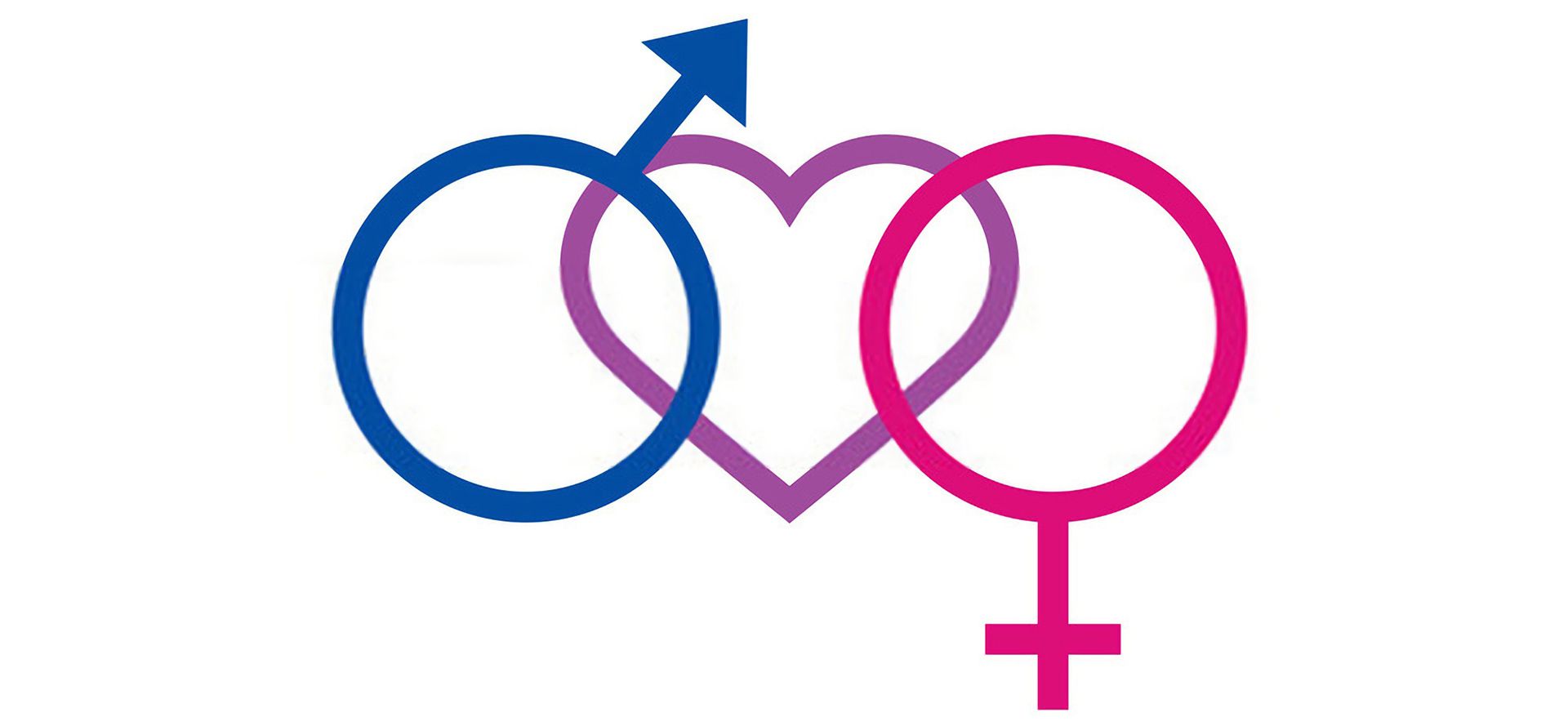
Bisexuality is a sexual orientation where someone experiences attraction to more than one gender. If you've found yourself drawn to both men and women—or people across the gender spectrum—you may be bisexual. This is a completely valid identity that millions of people share, and understanding it better can help you feel more confident in who you are.
In 2026, conversations about bisexuality have become more open than ever before. Yet misconceptions still exist. Whether you're questioning your own sexuality, supporting someone you care about, or simply want to learn more, this guide breaks down what bisexuality actually means and separates fact from fiction.
Understanding What Bisexuality Really Means
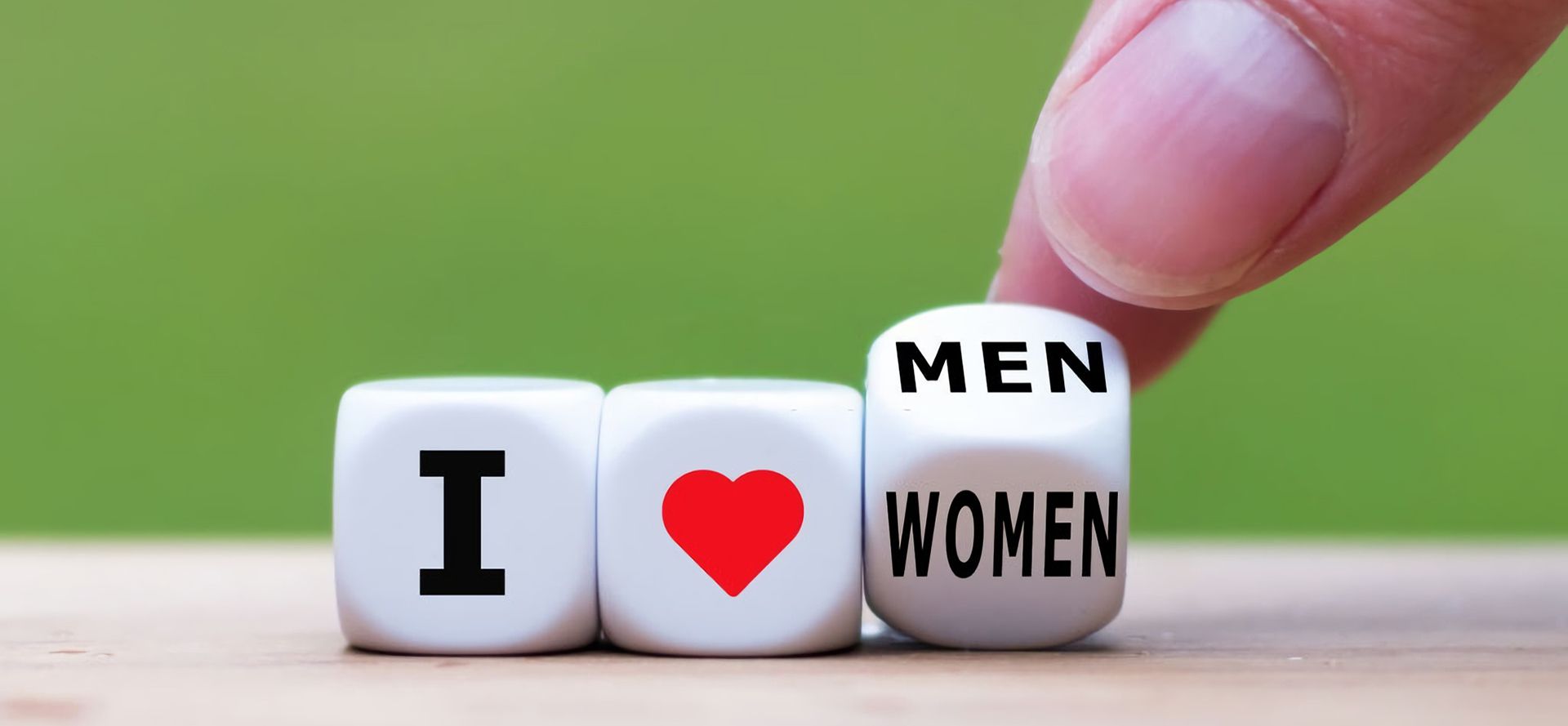
At its core, bisexuality describes attraction to your own gender and other genders. Some bisexual people feel equally attracted to men and women. Others might lean more toward one gender while still experiencing genuine attraction to others. Both experiences are equally valid.
The "bi" prefix sometimes causes confusion. People assume it strictly means "two," limiting bisexuality to attraction to only men and women. In reality, many bisexual people experience attraction to non-binary individuals, transgender people, and others across the gender spectrum. The modern understanding of bisexuality is more inclusive than the literal prefix suggests.
According to Lovezoid's dating experts, bisexuality looks different for everyone. Some people know from a young age. Others discover it later in life, sometimes after years of identifying as straight or gay. There's no single "right" way to be bisexual.
Common Myths About Bisexual People—And the Truth
Bisexual individuals face unique stereotypes that can make dating and relationships more complicated. Let's address the biggest misconceptions head-on.
Myth: Bisexuality Is Just a Phase
This is probably the most damaging myth out there. People often assume bisexuality is a pit stop on the way to being "fully" gay or straight. The thinking goes: once you settle down with someone, you'll "pick a side."
The truth? Bisexuality is a stable, lasting orientation for most people who identify this way. Research consistently shows that bisexual identity tends to remain consistent over time. Yes, some people's understanding of their sexuality evolves—that's normal for anyone. But that doesn't make bisexuality itself a phase.
Myth: Your Partner Determines Your Sexuality
If a bisexual woman dates a man, she doesn't become straight. If she dates a woman, she doesn't become a lesbian. Her bisexuality remains constant regardless of who she's currently with.
Think of it this way: a person who's attracted to brunettes doesn't stop being attracted to brunettes just because they're dating a blonde. Your partner doesn't erase your orientation—it simply reflects one relationship at one moment in time.
Myth: Bisexual People Are More Likely to Cheat
This stereotype causes real harm in relationships. The assumption is that bisexual people can't be satisfied with just one person because they're attracted to multiple genders.
Here's the reality: attraction to multiple genders doesn't equal attraction to multiple people simultaneously. Bisexual individuals are just as capable of monogamy and commitment as anyone else. Cheating is about character and relationship dynamics—not sexual orientation. Some bisexual people prefer non-traditional relationship structures, but so do many straight and gay people. It's a personal choice, not an orientation-based trait.
Myth: Men Can't Really Be Bisexual
Society often treats male bisexuality with extra skepticism. Bisexual men frequently face assumptions that they're actually gay but not ready to fully come out.
Studies have thoroughly debunked this. Bisexual men exist, their attractions are genuine, and their experiences are valid. The stigma around male bisexuality often makes men less likely to come out, which creates a cycle where bisexual men seem "rare" simply because they're less visible.
Myth: Bisexual People Face Less Discrimination
Some assume bisexual individuals have it easier because they can "pass" as straight when dating someone of the opposite sex. The reality is more complicated.
Bisexual people often experience discrimination from both straight and LGBTQ+ communities. This "double discrimination" can lead to feelings of isolation. Research shows bisexual individuals have higher rates of anxiety and depression compared to both straight and gay populations—partly due to this lack of acceptance from multiple directions.

Bisexuality vs. Pansexuality: What's the Difference?
These terms often get used interchangeably, but they have distinct meanings for many people.
Bisexuality typically refers to attraction to your own gender and other genders. Some bisexual people may have preferences or experience attraction differently depending on gender.
Pansexuality often describes attraction regardless of gender—where gender isn't a factor in who someone finds attractive. Pansexual people sometimes describe themselves as "gender-blind" in their attractions.
In practice, these definitions overlap significantly. Some people feel strongly about one label over the other. Others use them interchangeably. What matters most is using whatever term feels right for your own experience.
Signs You Might Be Bisexual
Questioning your sexuality is completely normal. If you're wondering whether you might be bisexual, here are some experiences that many bisexual people share:
- You've felt attracted to people of different genders at various points in your life
- You find yourself noticing attractive qualities in both men and women
- The idea of dating or being intimate with more than one gender feels appealing rather than strange
- You've had crushes on people of different genders, even if you haven't acted on them
- When you imagine your future relationships, you can see yourself happy with partners of different genders
There's no checklist you need to complete. You don't need to have dated people of multiple genders to identify as bisexual. Your feelings and attractions are enough.
Dating as a Bisexual Person in 2026
Bisexual dating comes with its own set of challenges and opportunities. Here's what our team at Lovezoid has observed about the modern bisexual dating experience.
When to Come Out to Potential Partners
There's no perfect timing. Some people prefer to mention their bisexuality in their dating profile to filter out anyone who might have an issue with it. Others wait until they've established some connection.
What works best often depends on your comfort level and dating goals. If you're exploring casual connections, you might approach disclosure differently than if you're seeking something serious.
Dealing with Biphobia in Dating
Unfortunately, some people still hold negative views about bisexuality. You might encounter:
- Straight partners who feel threatened or assume you'll leave them for someone of a different gender
- Gay or lesbian partners who question whether you're "really" queer
- People who fetishize your bisexuality, especially regarding group experiences
None of these reactions are your fault or your responsibility to fix. The right partner will accept your bisexuality as simply one part of who you are—not something to fear, question, or exploit.
Finding Accepting Partners
Dating apps and sites can be helpful for bisexual people because you can often indicate your orientation upfront. This saves time and helps you connect with people who are already open-minded.
Look for partners who ask genuine questions rather than making assumptions. Someone who's curious and respectful about your experience is usually a good sign. Someone who immediately makes jokes or expresses doubt is showing you who they are—believe them.
Supporting Bisexual People in Your Life
If someone you care about has come out as bisexual, here's how to be a good ally:
- Believe them. Don't question whether their identity is "real" or suggest it might be a phase.
- Don't make assumptions about their relationship preferences, fidelity, or dating history.
- Use inclusive language. Ask about their "partner" rather than assuming a specific gender.
- Speak up when you hear biphobic comments, even when no bisexual people are present.
- Educate yourself rather than expecting them to answer every question about bisexuality.
- Bisexuality means attraction to more than one gender—it's a valid, stable orientation, not a phase or confusion
- A bisexual person's current partner doesn't change their sexual orientation
- Bisexual people are just as capable of monogamy and commitment as anyone else
- Both men and women can be bisexual, despite stereotypes suggesting otherwise
- Bisexuality and pansexuality overlap but have distinct meanings for many people
- You don't need to "prove" your bisexuality through your dating history—your feelings are valid
- The right partner will accept your bisexuality without fear, fetishization, or judgment
Understanding and accepting your sexuality—whatever it may be—is a journey. If you're bisexual, know that you're part of a large community of people who share similar experiences. And if you're ready to start meeting people who appreciate you exactly as you are, dating platforms designed for LGBTQ+ individuals or inclusive mainstream sites can be a great starting point.
FAQ
Will people on dating apps think I'm confused or just experimenting if I say I'm bisexual?
Unfortunately, biphobia exists on both straight and gay dating platforms, and some people do hold outdated stereotypes. However, being upfront about your bisexuality actually helps filter out close-minded matches early. Many users report better connections when they're honest from the start, and LGBTQ+-friendly platforms tend to have more accepting communities.
Should I use mainstream dating apps or LGBTQ+ specific platforms as a bisexual person?
Both can work depending on your goals. Mainstream apps give you access to a larger pool of potential matches across all genders, while specialized LGBTQ+ platforms often have users who better understand bisexuality without needing explanations. Many bisexual people use both simultaneously to maximize their options.
How do I avoid couples looking for a "unicorn" when I just want to date one person?
This is a legitimate frustration many bisexual people face, especially bisexual women. Be explicit in your profile that you're seeking one-on-one connections only. Some platforms let you filter out couples, and you can quickly unmatch anyone who reveals they're actually part of a pair after matching.
Is it safe to be openly bisexual on my dating profile in the USA?
Safety varies by location and personal circumstances. Most dating platforms offer privacy controls like hiding your profile from certain people or limiting who can see your orientation. If you're not fully out, consider using platforms with stronger privacy features or being selective about which photos you share until you feel comfortable with a match.
Do bisexual people actually find long-term relationships through dating apps or is it mostly hookups?
Bisexual people find the full range of relationships through online dating, from casual connections to marriages. Your experience depends largely on which platforms you choose and how clearly you communicate your intentions. Being specific about wanting something serious in your profile attracts others looking for the same thing.