


















LGBTQ Dating Sites in the UK
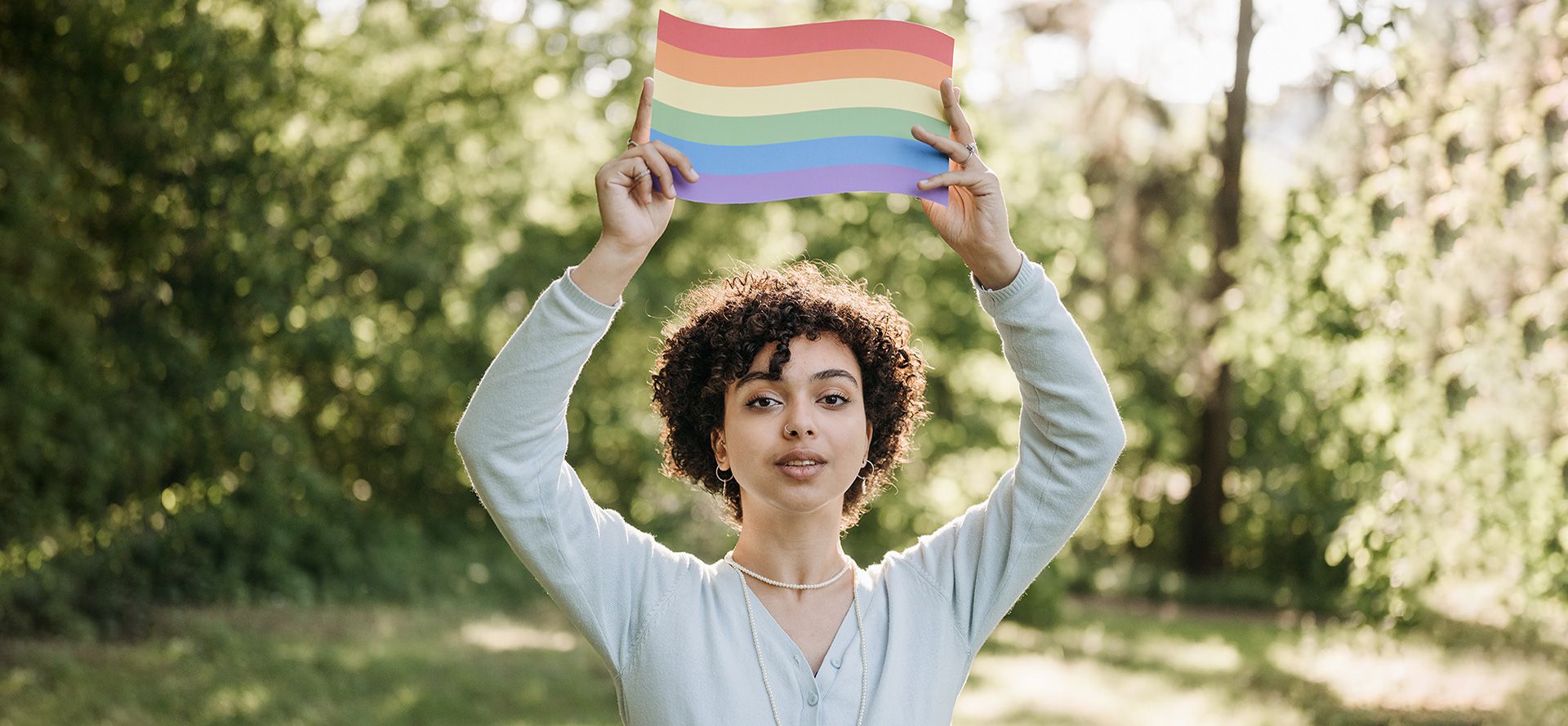
Finding the right person when you're part of the LGBTQ community can feel like a different experience compared to mainstream dating. Whether you're gay, lesbian, bisexual, transgender, or queer, you want a space where you can be yourself without explaining or justifying who you are. Here at Lovezoid, we understand that LGBTQ dating in the UK comes with its own set of challenges and opportunities — and we've done the research to help you find platforms that actually work.
The good news? There are quality dating sites designed specifically for LGBTQ singles in the UK. These platforms understand what you need: inclusive profile options, communities that get you, and safety features that matter. The comparison table below shows our tested recommendations, and most offer free registration so you can browse before committing any money.
Understanding LGBTQ Dating in the UK
LGBTQ dating isn't just "regular dating but gay." It comes with its own culture, unspoken rules, and specific needs that mainstream platforms often miss. In 2026, the UK has become increasingly accepting, but that doesn't mean every dating experience is straightforward.
 FindUkrainianBeauty

 HornySpot
 MeetSlavicGirls
 MyCuteGirlfriends
 MeetNiceRussian

 NSA Flirts
 WeMeetToday
 ZoomFlirts
 SeniorFlirting
 YesSingles

For starters, the dating pool is naturally smaller. While straight singles can walk into almost any pub and find potential matches, LGBTQ individuals often need to be more intentional about where they look. This is especially true outside major cities like London, Manchester, or Brighton. If you're in a smaller town or rural area, online dating isn't just convenient — it's often essential.

Then there's the matter of what people are looking for. Some LGBTQ singles want long-term relationships. Others are exploring their identity and want casual connections. Many are somewhere in between. The community is incredibly diverse — from young people who've been out since their teens to those coming out later in life after marriages or long-term heterosexual relationships.
UK culture adds another layer. British reserve can make it harder to approach someone in person, which is why online platforms have become so popular. Cities like Brighton have thriving LGBTQ scenes, but even there, dating apps and sites are how most people meet nowadays. The pandemic accelerated this shift, and it's stuck.
Specialized platforms outperform general apps for LGBTQ users for one simple reason: everyone there is on the same page. You don't need to wonder if someone's actually interested in your gender or if they're just "curious." You won't match with people who fetishize your identity. And you can be open about what you want without fear of judgment.
How to Choose an LGBTQ Dating Site
Not all LGBTQ dating platforms are created equal. Some cater specifically to men seeking men, others focus on women seeking women, and some welcome the entire spectrum. Choosing the right one depends on who you are and what you're after.
User Base and Activity
The best platform in the world means nothing if nobody's using it in your area. Before paying for any subscription, check how many active users are near you. Most sites let you browse for free, so take advantage of that. Look for recent activity — profiles that were active in the last few days, not months ago.
In the UK, user numbers tend to be highest in England, particularly around London and the South East. Scotland, Wales, and Northern Ireland have smaller but still active communities. If you're in a less populated area, you might need to cast a wider geographical net.
Profile Options That Matter
A good LGBTQ dating site should let you express your identity properly. This means options beyond just "male" and "female." Look for platforms that include:
- Multiple gender identity options (non-binary, genderqueer, trans man, trans woman, etc.)
- Sexuality labels that go beyond gay/straight/bi
- Pronoun fields
- Options to specify what you're looking for (relationship, casual, friends, unsure)
These details might seem small, but they make a massive difference in finding compatible matches. They also signal that the platform actually understands its users rather than just slapping a rainbow flag on a generic dating template.
Safety Features
Safety concerns are real for LGBTQ daters. While the UK is relatively safe, harassment and discrimination still happen. Good platforms offer:
- Profile verification to reduce fake accounts
- Easy blocking and reporting tools
- Options to hide your profile from straight users (on mixed platforms)
- Control over who can see your photos
- Location privacy settings
Lovezoid experts tested multiple platforms for these features, and there's significant variation. Some sites take safety seriously; others barely moderate at all. The platforms in our recommendations have passed our security checks.
Cost Considerations
Prices for UK users typically range from £10-30 per month, with discounts for longer subscriptions. Free tiers usually let you create a profile, browse, and receive messages — but often limit who you can contact first or hide certain features.
We'll be honest: free versions can work, but they're frustrating. If you're serious about finding someone, a month or two of paid access is usually worth it. That said, always use the free trial first to make sure there are enough users in your area.
Tips for Success on LGBTQ Dating Sites
Having the right platform is only half the battle. How you present yourself and interact with others makes the real difference. Here's what actually works for LGBTQ dating specifically.
Profile Optimization
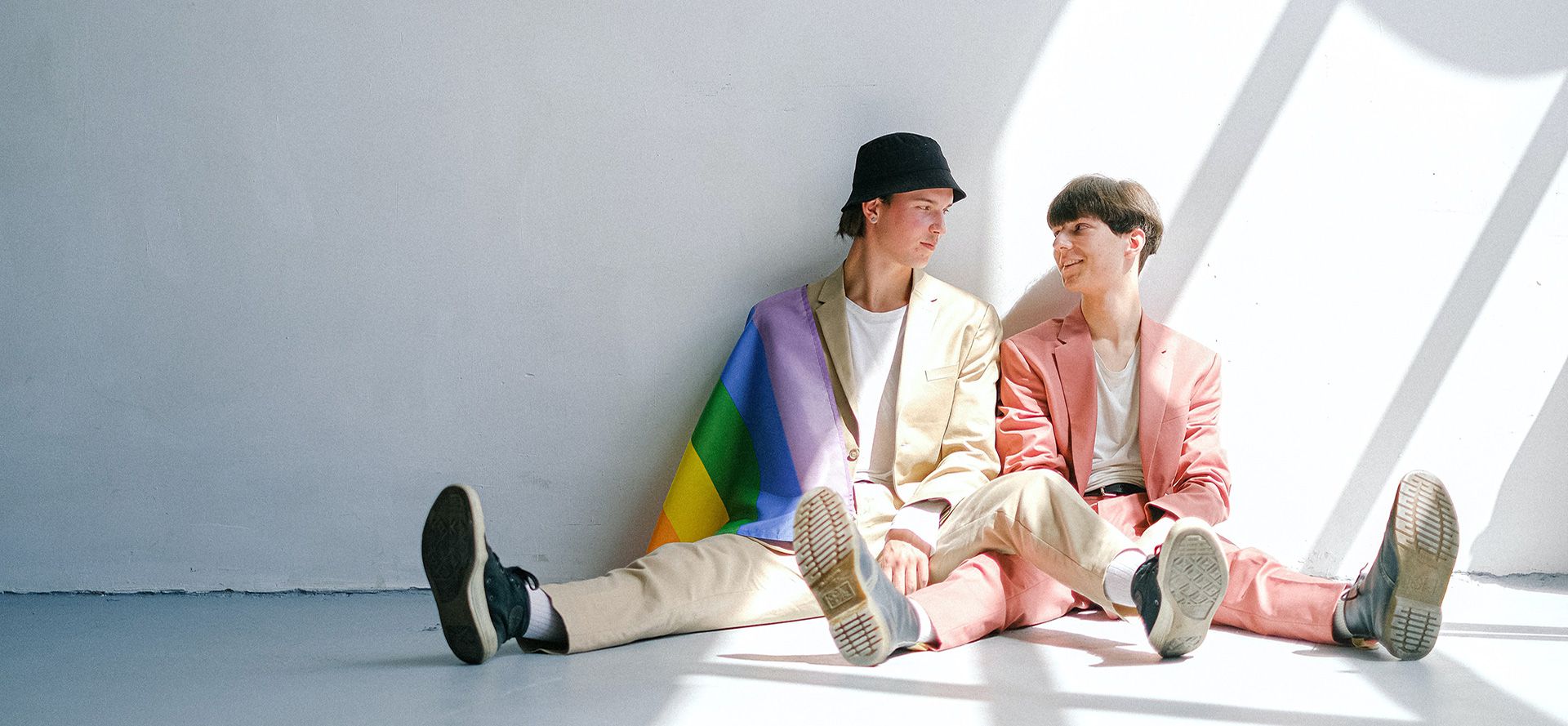
Your profile needs to do two things: attract the right people and filter out the wrong ones. Be specific about who you are. Generic profiles get generic results.
Photos matter more than you think. Use recent pictures that actually look like you. Include at least one clear face shot and one that shows your body type honestly. Action shots or photos with friends (with their permission) add personality. Avoid: heavily filtered images, group photos where people can't tell which one you are, and pictures from five years ago.
Your bio should give people something to respond to. Instead of "I like music and travel," try "Currently obsessed with Arctic Monkeys and planning a trip to Portugal next spring." Specifics start conversations.
If you're looking for something casual, say so. If you want a relationship, mention that too. Being upfront saves everyone time.
First Message Strategies
The LGBTQ dating world tends to be more direct than mainstream dating. That's a good thing — less game-playing. But it doesn't mean "hey" is an acceptable opener.
Reference something specific from their profile. Ask a question that's easy to answer. Show you actually read what they wrote. Something like "I noticed you're into hiking — have you done any good trails in the Peak District?" works far better than "you're cute."
For apps where women message women, there's often a problem with matches going nowhere because both people wait for the other to message first. If you're interested, just say something. The worst that happens is no reply.
What LGBTQ Users Look For
Based on our 2026 research at Lovezoid, LGBTQ daters tend to value authenticity above almost everything else. They've often had to hide parts of themselves in other areas of life, so they appreciate people who are genuine and upfront.
Shared values matter more than shared hobbies. Political views, attitudes toward family, and life goals come up earlier in LGBTQ dating than in straight dating. This isn't being "too serious too fast" — it's practical. When you're part of a minority, finding someone who truly gets your experience is important.
Many LGBTQ singles also value community involvement. Mentioning Pride events, LGBTQ charities you support, or queer-owned businesses you frequent signals that you're part of the community, not just passing through.
Common Mistakes
A few things that consistently backfire:
- Being vague about what you want (leads to mismatched expectations)
- Only having selfies (looks like you don't do anything)
- Complaining about past experiences in your bio (save that for therapy)
- Treating trans people as a "type" rather than individuals
- Asking invasive questions about someone's body or transition
Ready to start? Most platforms let you try free — complete your profile and start browsing to see who's in your area.
Red Flags and Safety in LGBTQ Dating
You might wonder if niche sites are safe compared to mainstream apps. The truth is, scammers exist everywhere — but some patterns are more common in LGBTQ spaces.
Scam Patterns to Watch
Romance scams hit the LGBTQ community hard. Scammers know that some users might be isolated from family support or new to dating after coming out. They exploit this vulnerability.
Warning signs include:
- Profiles that seem too perfect with professional-looking photos
- Quick declarations of love before you've met
- Stories about being stuck abroad or having financial emergencies
- Reluctance to video chat or meet in person
- Requests for money, gift cards, or cryptocurrency
A common concern is whether profiles are real. Legitimate platforms use verification systems — look for verified badges. If someone refuses to verify or won't video chat before meeting, that's a red flag.
Meeting Safely
When you're ready to meet someone from a dating site:
- Choose a public place for first meetings
- Tell a friend where you're going and who you're meeting
- Don't share your home address until you've built trust
- Trust your instincts — if something feels off, it probably is
Some worry about being outed through dating apps. If discretion matters to you, choose platforms with strong privacy controls. Many let you hide from contacts, limit profile visibility, or use a nickname instead of your real name.
Not every site is legitimate — stick to established platforms with real moderation teams. The sites in our comparison table have been vetted for safety and authenticity.
Different Needs Within the LGBTQ Community
The LGBTQ umbrella covers a lot of different experiences. What works for a gay man in his twenties won't necessarily work for a bisexual woman in her forties or a trans person of any age.
Gay men have the most options when it comes to dedicated platforms. Some focus on hookups, others on relationships, and some on specific interests or demographics. The challenge is often too many choices rather than too few.
Lesbians and bi women sometimes find smaller user bases on dedicated platforms, though this has improved significantly. Some prefer mixed LGBTQ sites where they can also connect with the broader community.
Bisexual users face unique challenges. On straight platforms, they might encounter prejudice. On gay/lesbian platforms, they sometimes feel unwelcome. The best platforms for bi users are those with genuinely inclusive communities rather than just token acceptance.
Trans and non-binary individuals should look for platforms with proper gender options and active moderation against harassment. Unfortunately, trans users often face more abuse on dating platforms, so safety features are especially important.
Whether you're a man looking for connection or a woman seeking the right match, there's a platform that fits your specific needs.
LGBTQ dating in the UK has never had more options than it does now. Specialized platforms understand your needs in ways that mainstream apps simply don't — from inclusive profile options to communities where you can be yourself without explanation.
The key is choosing a platform that matches what you're actually looking for, being honest in your profile, and staying safe while you search. Not every site will work for everyone, and that's fine. The right platform is the one where you find people who get you.
Registration is free on most sites — it's worth signing up to see who's in your area. Complete your profile properly, upload decent photos, and give it a real chance. Your next connection might be a few clicks away.
FAQ
Are LGBTQ+ dating sites discreet and safe to use in the UK?
Reputable platforms take privacy seriously, with options to hide your profile from straight users or control who sees your photos. However, no site is 100% risk-free, so avoid sharing your workplace or home address early on. Most UK-based platforms comply with GDPR, giving you control over your data and the right to delete your account completely.
Will I encounter transphobia or discrimination on mainstream dating apps?
Unfortunately, yes—many LGBTQ+ users report negative experiences on general apps, from misgendering to outright harassment. Specialised platforms tend to have better moderation and community guidelines specifically protecting trans and non-binary users. Look for sites with robust reporting features and active moderation teams who actually respond to complaints.
Are niche LGBTQ+ sites worth paying for when free apps exist?
It depends on your location and what you're looking for. Free apps have larger user bases but more time-wasters and bots. Paid niche platforms typically have more serious users and better verification, but in smaller UK cities you might find the pool quite limited—check if they offer a free trial to gauge activity in your area first.
How do I know if profiles are real and not catfishers targeting LGBTQ+ people?
Catfishing is a genuine problem in LGBTQ+ dating, with some scammers specifically targeting the community. Look for platforms offering photo verification or video chat features before meeting. Red flags include refusing video calls, overly perfect photos, and rushing to move conversations off the platform—trust your instincts if something feels off.
Is online dating different for lesbians versus gay men in the UK?
Yes, the experiences differ significantly. Gay men typically have more platform options and larger user pools, while lesbian and bisexual women often find fewer active users and more fake profiles created by men. Women-focused platforms exist but tend to have smaller communities outside London and major cities—patience and realistic expectations help.