




Badoo is one of the largest dating platforms on the planet, but does size actually matter when it comes to finding real connections? After spending several weeks testing this app, the Lovezoid review team has a clear verdict: Badoo works best for casual daters and people who enjoy high-volume swiping, but it's not ideal if you're looking for something serious. If you want meaningful conversations with verified, relationship-minded singles, you might find the experience frustrating. That said, the free features are generous enough to test it without spending a dime.
What Is Badoo?
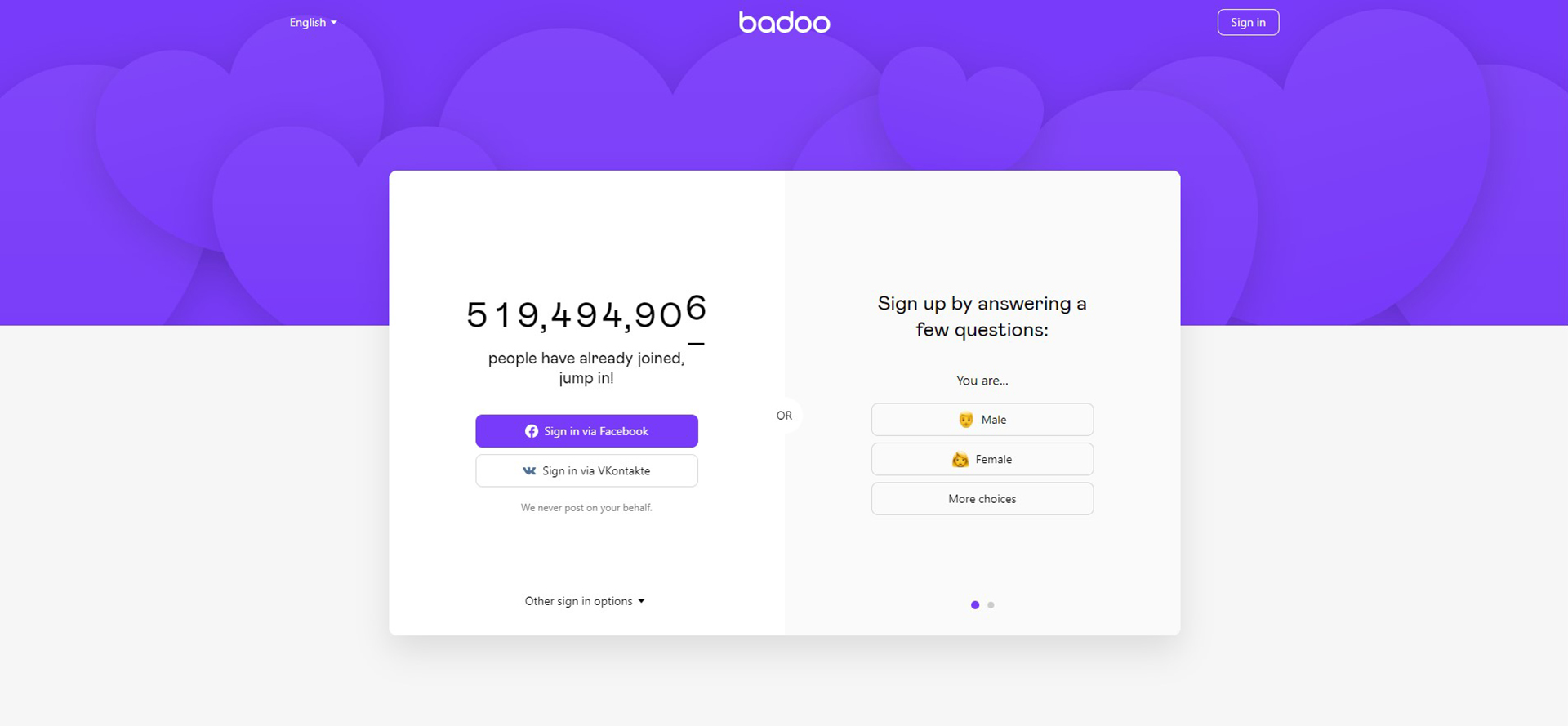
Badoo launched back in 2006, making it one of the older players in the online dating space. With over 500 million registered users across 197 countries, it positions itself as a global social discovery platform rather than a traditional dating site. The app lets you specify whether you're looking for dates, relationships, or just friendships—which sounds flexible but can also muddy the waters when you're trying to figure out what other users actually want.
In the USA, Badoo has a decent user base, though it's more popular in Europe and Latin America. The platform targets a younger demographic, with most active users falling between 18 and 35. If you're in a major American city, you'll find plenty of profiles to browse. Rural areas? That's where things get thin.
Key Features of Badoo in 2026
The core of Badoo revolves around two main discovery tools: "Encounters" and "People Nearby." Encounters is essentially Badoo's version of swipe-based matching. You see a profile photo, tap yes or no, and if both people say yes, you get a match. It's fast, simple, and honestly a bit addictive once you get going.
People Nearby shows you other users in your geographic area. This feature updates in real-time, which can be useful if you're looking to meet someone quickly. However, I noticed that "nearby" can be interpreted loosely—sometimes profiles from 50+ miles away appeared in my feed.
Video chat is built directly into the app, which is a nice touch for verifying that someone is who they claim to be before meeting in person. The video feature works smoothly on both mobile and desktop, though I found most users preferred to move conversations to other platforms before video chatting.
The mobile app is polished and responsive. It's available on both Android and iOS, and the interface feels modern without being cluttered. Push notifications can get aggressive if you don't adjust your settings, but that's an easy fix. One feature I appreciated was the ability to send voice messages—it adds a personal touch that text alone can't match.
Badoo also offers "Spotlight," a paid feature that puts your profile at the top of search results for a limited time. During my testing, Spotlight definitely increased profile views, but whether those views translated to meaningful conversations is another story. More on that in the pricing section.
Badoo Pricing and Value
Here's where things get interesting. Badoo's free tier is actually quite usable compared to many competitors. You can create a profile, browse other users, use Encounters, and send messages without paying anything. That's more than you'll get on some swipe-based alternatives where messaging is locked behind a paywall.
Premium pricing breaks down like this:
- 1 month: $9.99
- 3 months: $24.99 (about $8.33/month)
- 6 months: $34.99 (about $5.83/month)
What do you get for paying? Premium unlocks the ability to see who liked your profile, view your favorites list, access new users before everyone else, and send virtual gifts. The "see who likes you" feature is probably the most valuable—it saves time by letting you focus on people already interested.
Is premium worth it? Honestly, it depends on your patience level. If you're actively using the app daily and getting frustrated by the limitations, the $10 monthly cost isn't unreasonable. But I'd recommend testing the free version for at least a week before upgrading. You can browse and match without spending anything, so there's no rush to pull out your credit card.
Badoo also uses a credit system for certain features like Spotlight and "Super Powers." These credits can add up quickly if you're not careful. I spent about $15 on credits during my testing period and felt like the return wasn't great. The Spotlight feature boosted my visibility but attracted mostly low-effort responses.
User Experience on Badoo
Signing up takes about five minutes. You can register with your email, phone number, or Facebook account. Badoo asks for basic information: name, birthday, gender, what you're looking for, and a photo. The photo requirement is strict—the app uses verification technology to confirm you're a real person, which is actually reassuring.
Profile quality on Badoo is mixed. Some users put genuine effort into their bios and upload multiple photos. Others have a single blurry selfie and nothing else. The platform doesn't require much information to create a profile, which means you'll encounter a lot of incomplete profiles. This can make it hard to gauge compatibility before matching.
Activity levels vary by location. In major cities like New York, Los Angeles, and Chicago, I saw plenty of active users online at any given time. Smaller cities and suburban areas had noticeably fewer options. If you're in a rural part of the USA, you might find yourself expanding your distance settings significantly.
The interface is intuitive enough that you won't need a tutorial. Swiping works as expected, messages are easy to find, and settings are logically organized. My main complaint is the constant prompts to upgrade. Every few actions, Badoo reminds you that premium exists. It's not a dealbreaker, but it does get tiresome.
One thing our Lovezoid experts noticed: response rates felt lower than on platforms that emphasize detailed profiles. Many users seem to treat Badoo as a casual browsing experience rather than a serious dating tool. If you're sending thoughtful messages, be prepared for a lot of them to go unanswered.
Is Badoo Safe and Legit?
Badoo takes verification seriously, which is a major point in its favor. The photo verification process asks you to take a selfie mimicking a specific pose, then compares it to your profile photos using facial recognition. Verified profiles get a blue checkmark, making it easier to avoid catfish.
That said, bots and scammers still exist on the platform. During my testing, I encountered a handful of suspicious profiles—usually brand-new accounts with professional-looking photos and generic bios. The block and report functions work well, and Badoo's moderation team does seem to remove flagged accounts, but you'll still need to stay alert.
Privacy controls are adequate. You can hide your profile from specific users, control who can message you, and adjust visibility settings. The app does request location access, which some users might find intrusive. You can deny this permission, but it limits the "People Nearby" functionality.
For USA users specifically, Badoo complies with standard data protection practices. The company is headquartered in the UK and follows GDPR guidelines, which means your personal information is handled with reasonable care. I didn't experience any security issues during my time on the platform.
One legitimate concern: Badoo has faced criticism in the past for making it difficult to delete accounts. The process has improved, but it still requires navigating through several menus. If you decide to leave, be prepared to spend a few minutes figuring out how.
Who Should Use Badoo?
Badoo works well for casual daters who enjoy the swipe-and-match format. If you're looking to meet new people without the pressure of finding "the one," the platform delivers. The international user base is also a plus if you travel frequently or want to connect with people from different cultures.
Younger users (18-30) will feel most at home here. The vibe is casual, the interface is modern, and the emphasis on photos over personality fits the preferences of that demographic. If you're over 50 and looking for something serious, you'll probably find the experience frustrating.
People who want quick, low-commitment connections will appreciate Badoo's approach. The app doesn't ask you to fill out lengthy questionnaires or wait for algorithm-generated matches. You see someone interesting, you swipe, you chat. Simple.
Who Should Skip Badoo?
If you're seeking a long-term relationship, Badoo might not be your best bet. The user base skews toward casual dating, and the matching system doesn't prioritize compatibility the way some niche dating platforms do. You can certainly find relationship-minded people here, but you'll need to sift through a lot of profiles first.
Users who value detailed profiles and thoughtful communication may find Badoo shallow. The platform rewards quick judgments based on photos, which doesn't suit everyone's dating style. If you prefer getting to know someone through their bio before matching, check the comparison table above for alternatives.
Anyone uncomfortable with aggressive monetization should also think twice. The constant upgrade prompts and credit system can feel pushy, especially if you're used to platforms with cleaner free experiences.
Badoo is a legitimate dating platform with a massive user base and solid free features. It's not a scam, and real people do use it to meet dates, friends, and partners. The verification system adds a layer of security that many competitors lack, and the mobile app is genuinely well-designed.
However, the casual atmosphere and mixed user intentions mean you'll need patience. Response rates can be low, profile quality varies wildly, and the platform clearly prioritizes quantity over quality. For specific dating arrangements or serious relationships, other options might serve you better.
Our Lovezoid team rates Badoo as a solid choice for casual dating and social discovery, but a mediocre option for anything more serious. The free version offers enough functionality to test the waters, so there's no harm in creating an account and seeing what's available in your area. If it doesn't click, you haven't lost anything but time.
Worth trying with a free account first—registration costs nothing, and you might be surprised by who's nearby.
FAQ
Are there a lot of fake profiles and bots on large social dating platforms?
Yes, fake profiles exist on any large-scale dating platform, and social discovery apps are no exception. However, platforms with verification features like photo verification help reduce this problem significantly. Look for the verification badge on profiles and be cautious of accounts that immediately ask for money or push conversations off the platform.
Can I actually use social dating apps for free or is it basically useless without paying?
You can genuinely use free features to browse, match, and chat with other users. However, free users face limitations like fewer daily swipes and reduced visibility. Paid features mainly boost your profile visibility and let you see who already liked you, which speeds things up but isn't strictly necessary to meet people.
Is this type of app better for hookups or can I find a real relationship?
These platforms attract a mixed crowd with different intentions. Some users want casual dating while others seek serious relationships. The key is being upfront about what you're looking for in your profile and filtering out people whose goals don't align with yours early in conversations.
What's the gender ratio like on mainstream social dating apps?
Most mainstream dating platforms skew male, often around 60-70% men. This means women typically receive more messages and matches, while men may need to be more proactive and patient. Having a complete profile with verified photos helps men stand out in a competitive environment.
Is it safe to meet strangers from social dating platforms in person?
Meeting anyone online carries some risk, but you can minimize it with smart precautions. Always meet in public places for the first few dates, tell a friend where you're going, and video chat beforehand to confirm the person matches their photos. Trust your instincts—if something feels off, it probably is.