



Tinder remains the most recognizable dating app in the world, but does that mean it's actually worth your time? After spending several weeks testing the platform, Lovezoid's review team has a clear answer: Tinder works well for casual dating and hookups, especially if you're under 35 and live in a populated area. However, if you're looking for something serious or you're over 40, you might find better options elsewhere. The app is legitimate, has real users, and can absolutely lead to dates—but it comes with frustrations that you should know about before downloading.
What is Tinder?
Tinder launched in 2012 and essentially invented the swipe-based dating format that countless apps have copied since. Based in Los Angeles, the app operates in 196 countries and supports over 40 languages. In the USA, Tinder has one of the largest user bases of any dating platform, with millions of active members swiping daily.
The app targets a younger demographic—most users fall between 18 and 35 years old. While Tinder has tried to rebrand itself as a platform for all relationship types, its reputation still leans heavily toward casual dating and hookups. That's not necessarily a bad thing, but it's important to understand what you're getting into. If you're looking for a committed relationship, Tinder can work, but you'll need patience and realistic expectations.
Key Features of Tinder
The core of Tinder is simple: you see profiles one at a time and swipe right if you're interested or left if you're not. When two people swipe right on each other, it's a match, and you can start messaging. This basic mechanic is free and works reasonably well.
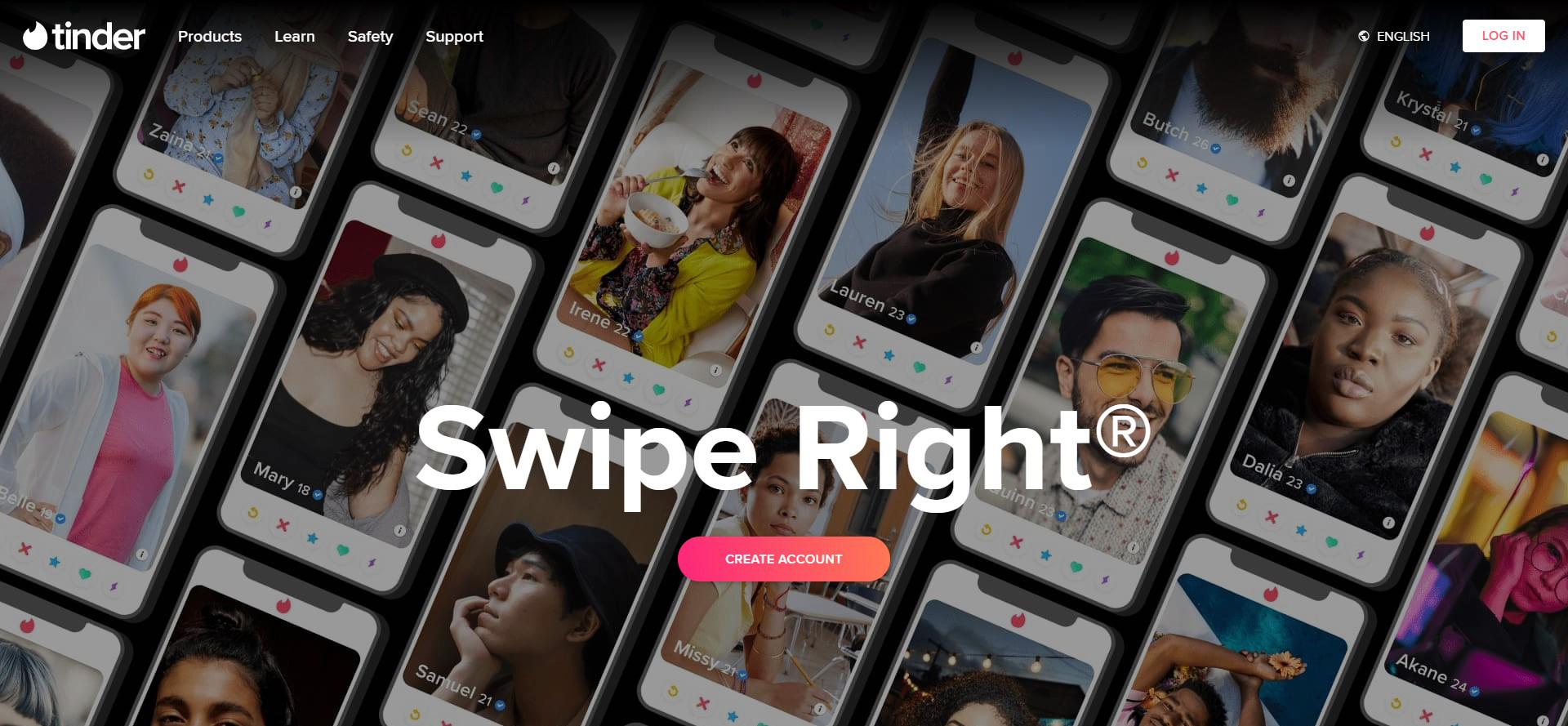
Beyond swiping, Tinder offers several features worth mentioning:
- Super Likes: A way to show someone you're extra interested. Your profile shows up with a blue star, which theoretically gives you an advantage. In practice, I found this feature made little difference in my match rate.
- Boost: Puts your profile at the top of the deck for 30 minutes. This does increase visibility, but it costs money or premium subscription credits.
- Passport: Lets you change your location to swipe in different cities. Useful if you travel frequently or want to meet people before visiting a new place.
- Photo Verification: Users can verify their photos by taking a selfie that matches their profile pictures. Verified profiles display a blue checkmark.
- Explore Tab: Shows curated feeds based on interests like "festival goers" or "foodies." It's a nice idea but felt gimmicky in my testing.
The mobile app is polished and runs smoothly on both Android and iOS. The interface is intuitive—even people who've never used a dating app figure it out within minutes. There's also a web version, though most people stick to the app.
One thing Tinder doesn't do well is filtering. You can set basic preferences for age, distance, and gender, but that's about it. There's no way to filter by interests, lifestyle choices, or relationship goals unless you pay for premium and even then, options are limited. If you want more control over who you see, some users find platforms with detailed questionnaires more useful.
Tinder Pricing and Value
Tinder operates on a freemium model. You can create a profile, swipe, match, and message without paying anything. However, free users face significant limitations:
- Limited daily swipes (you'll hit a wall after about 100 right swipes)
- Can't see who liked you without matching first
- No rewind if you accidentally swipe left on someone
- Ads between profiles
- Only one Super Like per day
Premium subscriptions come in three tiers: Plus, Gold, and Platinum. Pricing varies by age, which has been controversial. Users under 30 pay significantly less than those over 30 for identical features.
For users aged 18-29, Tinder Plus starts at $4.99 per month (if you commit to 12 months). Gold runs about $14.99 monthly, and Platinum costs around $19.99. If you're over 30, expect to pay roughly double those prices. A single month of Platinum for someone over 30 costs nearly $40.
Is premium worth it? Honestly, it depends on your situation. The "See Who Likes You" feature in Gold is genuinely useful—it saves time by letting you focus on people already interested. Unlimited swipes matter if you're in a big city and actually hitting that daily limit. Platinum's ability to message before matching sounds great in theory, but most of those messages go unread in my experience.
My recommendation: start with the free version for a week or two. If you're getting matches and having conversations, you might not need to pay at all. If you're struggling, Gold could help—but Platinum rarely justifies its extra cost. You can browse free to test it before paying anything.
User Experience on Tinder
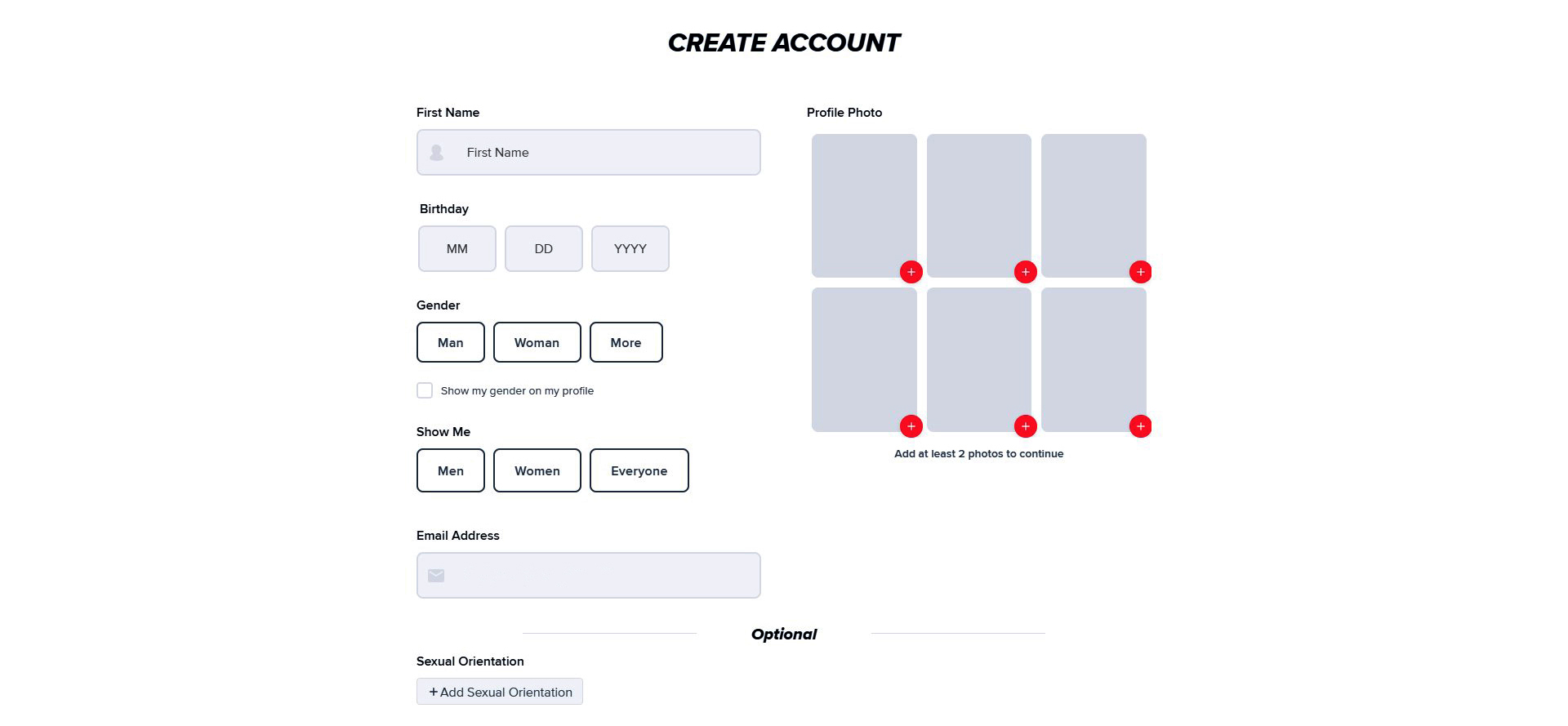
Signing up takes about five minutes. You'll need a phone number for verification—there's no way around this. You can also connect through Facebook or Google, though I'd recommend using your phone number to keep your social accounts separate. After verifying, you'll add photos, write a short bio, and set your preferences.
Profile quality on Tinder is mixed. Some users put genuine effort into their profiles with multiple photos and detailed bios. Many others upload a single blurry photo and write nothing at all. This is one of Tinder's biggest weaknesses—the low barrier to entry means profile quality varies wildly.
Activity levels are high in most US cities. During our Lovezoid testing, we consistently found active users at all hours. Rural areas are a different story—if you live in a small town, you might run out of profiles to swipe on fairly quickly. In major metros like New York, LA, or Chicago, the supply of potential matches feels endless.
The interface is clean but designed to keep you swiping. Tinder wants engagement, which means you'll encounter plenty of prompts to upgrade, buy boosts, or purchase Super Likes. These upsells got annoying during my testing, especially on the free tier. Every few swipes, there's a reminder that you could be seeing more matches if you paid.
One frustration: match quality doesn't always translate to conversation quality. Getting matches is relatively easy on Tinder compared to some other platforms, but converting those matches into actual dates requires effort. Many matches never respond to messages, and conversations frequently fizzle out. This isn't unique to Tinder, but the high-volume, fast-swiping culture seems to make people less invested in individual connections.
If you're more interested in casual connections without pressure, Tinder's approach might suit you perfectly. The app doesn't force lengthy questionnaires or compatibility scores—it's straightforward and lets chemistry develop naturally through conversation.
Is Tinder Safe and Legit?
Tinder is absolutely a legitimate dating platform. It's owned by Match Group, a publicly traded company that also owns several other major dating services. Your data is handled according to standard privacy practices, and the app has been around long enough that any major security issues would have surfaced by now.
That said, like any popular platform, Tinder has bots and scammers. In my experience, they're noticeable but manageable. Common red flags include profiles with only one photo, overly forward messages immediately after matching, and requests to move conversations to WhatsApp or other platforms quickly. The photo verification feature helps—I'd recommend prioritizing matches with the blue checkmark.
Tinder offers several safety features:
- Photo verification to confirm users look like their pictures
- Block and report functions that work quickly
- The ability to unmatch instantly, which removes the conversation from both sides
- Safety tips within the app
- A partnership with Noonlight for emergency assistance during dates (US only)
For USA users specifically, Tinder is safe to use. The verification system has improved significantly over the years, and celebrity impersonation—once a common problem—is now handled through additional authentication for public figures.
Privacy controls are decent. You can hide your profile from people you know if you connect through Facebook, and you control what information appears on your profile. However, remember that anything you share in messages could potentially be screenshotted, so use common sense about what you reveal to strangers.
Our Lovezoid experts found the overall safety experience acceptable, though not exceptional. You'll encounter some fake profiles and spam, but no more than on most dating platforms. Staying alert and trusting your instincts goes a long way.
Who Should Use Tinder?
Tinder works best for certain types of users. You'll likely have a good experience if you're:
- Between 18 and 35 years old
- Living in or near a city with at least 100,000 people
- Open to casual dating, hookups, or seeing where things go
- Comfortable with a photo-focused, fast-paced dating experience
- Patient enough to sort through many matches to find quality connections
Tinder is probably not ideal if you're:
- Over 45 and looking for people your age (the user base skews young)
- Seeking a serious relationship from the start (platforms designed for commitment might serve you better)
- Living in a rural area with limited population
- Uncomfortable with superficial first impressions based mainly on photos
- Looking for specific relationship dynamics like arrangements with clear expectations
As of 2026, Tinder remains the go-to app for casual dating in America. Its massive user base means you'll always have people to swipe on, and its brand recognition means most singles have at least tried it. The question isn't whether Tinder works—it does—but whether it works for what you specifically want.
Tinder delivers exactly what it promises: a simple, fast way to meet people nearby who find you attractive. The swipe mechanic is addictive and efficient. The user base is enormous. Matches happen regularly for most users who put effort into their profiles.
The downsides are real, though. The emphasis on photos over substance makes meaningful connections harder to find. The constant upselling gets tiresome. Match quality varies dramatically, and many conversations lead nowhere. Users over 30 pay significantly more for premium features, which feels unfair.
For casual dating and hookups among younger users in populated areas, Tinder remains hard to beat. It's the default choice for a reason. For serious relationship seekers, older users, or those in rural locations, the experience can be frustrating—and you might find better results on platforms designed for those specific needs. Check the comparison table above if Tinder doesn't seem like the right fit.
If you're curious, there's no risk in trying the free version. Registration costs nothing, and you'll quickly get a sense of whether the app works in your area. Give it a week, see what kind of matches you get, and decide from there whether upgrading makes sense. For many people, Tinder is still the easiest way to start meeting potential dates—just go in with realistic expectations about what you'll find.
FAQ
Is it actually possible to find a real relationship on swipe-based dating apps?
Yes, many people find serious relationships through swipe-based platforms, though it requires patience and realistic expectations. The casual reputation exists because many users are just browsing, but plenty of people meet long-term partners this way. Being clear about your intentions in your bio helps filter out mismatches early on.
Why do I get so few matches compared to my friends?
Match rates vary dramatically based on photos, bio quality, location, and how the algorithm ranks your profile. Most men report significantly fewer matches than women due to skewed gender ratios on mainstream dating apps. Improving your first photo, adding conversation starters to your bio, and being active daily can genuinely boost your visibility.
Is paying for premium features actually worth it or a waste of money?
It depends on your dating market and how actively you use the app. Premium features like seeing who liked you and unlimited swipes help most in larger cities where competition is fierce. If you're in a smaller town or only casually browsing, the free version is usually sufficient to meet people.
How do I know if someone is a bot or scammer before meeting them?
Watch for profiles with only professional-looking photos, conversations that feel scripted, or anyone who quickly asks to move to another platform. Real users typically have varied photos, respond to specific things you mention, and don't rush to get your phone number or social media. If someone avoids video chatting or meeting in person after weeks of talking, that's a major red flag.
Am I too old to use mainstream swipe-based dating apps?
There's no age limit, but user demographics do skew younger on most popular swiping platforms. Users over 40 often report better experiences on platforms specifically designed for mature dating, where the user base aligns better with their age group. That said, many people in their 40s, 50s, and beyond successfully use mainstream apps—you'll just need to be more patient with the smaller pool of age-appropriate matches.