




















Christian Dating Sites
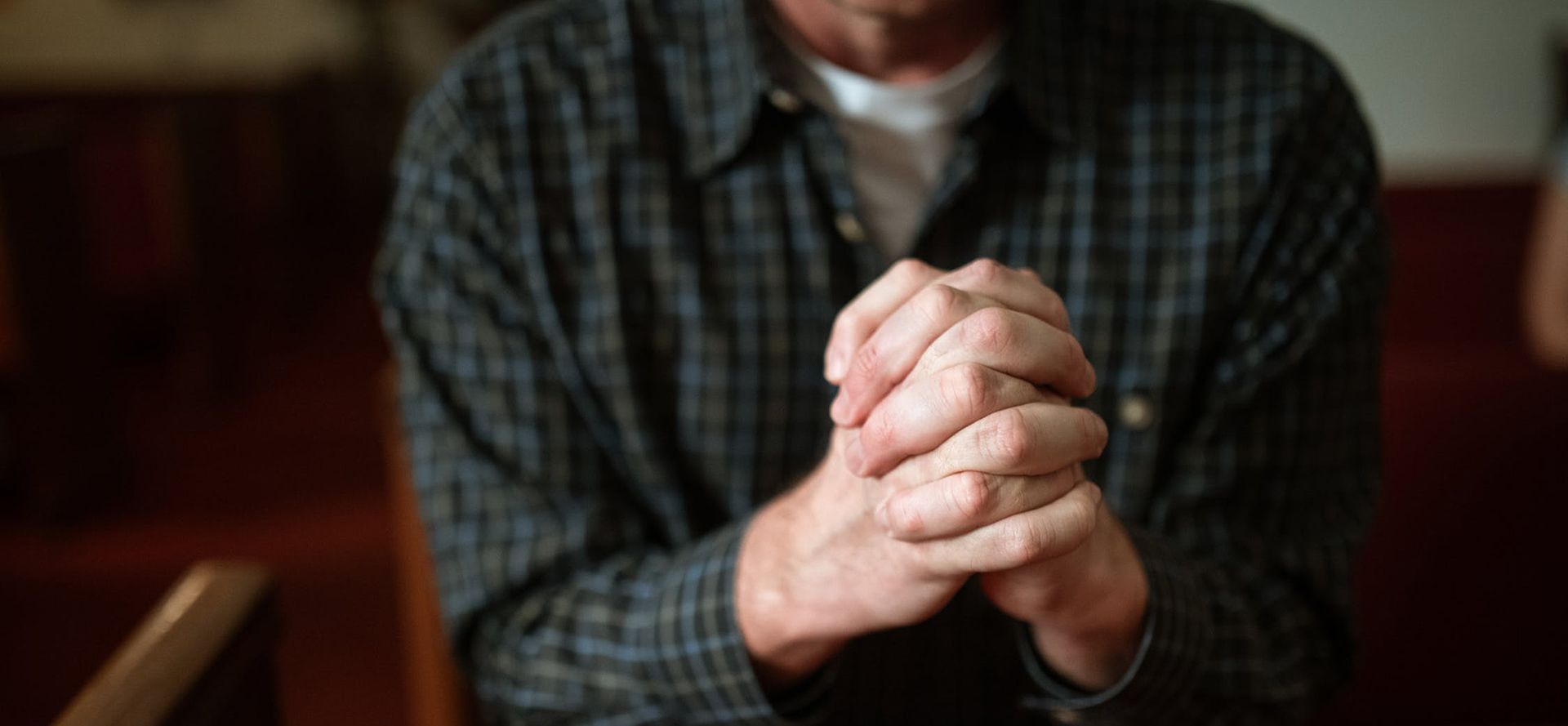
Finding a partner who shares your faith can feel challenging, especially when mainstream apps don't prioritize what matters most to you. If you're a Christian single in the USA looking for a relationship built on shared values and genuine spiritual connection, you're not alone. Millions of believers are searching for the same thing—someone who understands that faith isn't just a checkbox on a profile, but the foundation of how they want to live and love.
Here at Lovezoid, we've spent considerable time researching and testing platforms designed specifically for Christian singles. The good news? Quality options exist that cater to faith-based dating, and many let you browse profiles for free before committing. The comparison table below shows our tested recommendations for 2026, so you can quickly see which platforms might work for your situation.
 HornySpot

 Flirty Chatting
 Gentlove
 Ashley Madison
 WannaHookup

 Spdate
 FindUkrainianBeauty
 Your Hot Neighbour
 MeetSlavicGirls
 YesSingles
Understanding Christian Dating in the USA
Christian dating isn't just regular dating with a religious filter slapped on top. For believers, faith shapes everything—from how you spend your Sundays to how you raise children, handle conflict, and define commitment. That's why finding someone who genuinely shares your beliefs matters so much more than matching on surface-level interests.
The USA has a unique Christian dating landscape. With roughly 65% of Americans identifying as Christian, you'd think finding a believing partner would be easy. But here's the reality: church attendance has declined, and many people who check "Christian" on their profile treat it more as cultural background than active faith. This creates a frustrating experience on general dating platforms where you might match with someone only to discover their faith is nominal at best.

Who uses faith-based dating platforms? The demographics are broader than you might expect. You'll find young professionals in their 20s who grew up in church, divorced parents in their 40s seeking a second chance at love, and seniors who want companionship with someone who shares their values. Some are looking for marriage within the year; others want to take things slow and build friendship first. What unites them is the desire for a partner who understands that Christ comes first.
Specialized Christian platforms outperform mainstream apps for believers because they filter for what actually matters. Instead of swiping based on photos alone, you can see how someone describes their relationship with God, their church involvement, and their views on important issues. Many platforms ask detailed questions about denomination, frequency of church attendance, and stance on topics like premarital intimacy. This saves enormous time compared to discovering these dealbreakers three dates in.
How to Choose a Christian Dating Site
Not all faith-based platforms are created equal. Based on our 2026 testing at Lovezoid, here's what to look for when evaluating your options.
Theological alignment matters. Some platforms cater to specific denominations—Catholic, Protestant, Evangelical, or non-denominational. If your faith tradition is important to you, look for sites that let you filter accordingly. If you follow traditional Christian dating principles, make sure the platform's culture supports that approach.

User base quality over quantity. A site with 500,000 genuinely active Christian users beats one claiming 5 million profiles where most are inactive or barely religious. Look for platforms that require profile verification or have barriers to entry that weed out people who aren't serious. Some sites charge membership fees specifically because it filters out casual browsers.
Profile depth tells you a lot. Good Christian dating sites ask meaningful questions about faith—not just "Are you religious?" but "How often do you attend church?", "What role does prayer play in your daily life?", and "What are your views on raising children in the faith?" The more detailed the profiles, the better your matches will be.
Safety features deserve attention. Reputable platforms verify profiles, offer blocking and reporting tools, and have teams that remove fake accounts. Some even offer background check options. Don't overlook this—unfortunately, scammers sometimes target faith-based sites because they assume Christians are more trusting.
Pricing varies significantly. Free tiers usually let you create a profile and browse, but messaging often requires a paid subscription. Monthly costs typically range from $15-50 depending on the platform and subscription length. We'll be honest—free-only sites tend to attract more spam and less serious users. Consider the paid subscription an investment in finding someone who's equally committed to the search.
Tips for Success on Christian Dating Sites
Creating an account is the easy part. Actually connecting with compatible matches takes more intention. Here's what works specifically for Christian dating.

Your profile should show your faith, not just state it. Anyone can write "God is #1 in my life." Instead, share specifics: mention your small group, describe what you're learning in your current Bible study, or talk about how your faith shapes your career choices. This gives potential matches something real to connect with and helps you stand out from generic profiles.
Photos matter, but context matters more. Include at least one photo that shows you in a faith-related context—maybe at a church event, on a mission trip, or with your Bible study group. This signals that your faith is active, not just a label. Avoid photos that might send mixed messages about your values.
First messages should reference something specific. "Hey, I noticed you mentioned you're reading through Psalms this year—I just finished that! Which one has stood out to you?" beats "Hi, how are you?" every time. Christian singles appreciate when someone actually reads their profile and engages with their faith journey.
Be clear about what you're looking for. Are you open to dating someone from a different denomination? Is church attendance non-negotiable? Do you want kids? Being upfront saves everyone time. If you're specifically seeking a Catholic partner, platforms exist for that. Same goes for other traditions.
Don't rush physical meetings, but don't delay forever either. Many Christian singles prefer getting to know someone through messages and calls before meeting in person. That's wise. But some people hide behind endless texting to avoid real connection. After a week or two of good conversation, suggest a coffee date or video call.
Most platforms let you try free—complete your profile and start browsing to see who's in your area before committing to a subscription.
Red Flags and Safety in Christian Dating
You might wonder if faith-based sites are safer than mainstream platforms. The honest answer: they're not immune to problems, but the issues look slightly different.

Romance scammers target Christian sites. They know believers value trust and may be more willing to give people the benefit of the doubt. Watch for profiles that seem too perfect, people who quickly profess deep feelings, and anyone who has excuses for why they can't video chat. If someone claims to be a missionary overseas and needs money, that's almost certainly a scam.
Spiritual manipulation is a real concern. Some people use religious language to create false intimacy or pressure others into moving faster than they're comfortable. If someone quotes Scripture to justify pushing your boundaries or claims "God told me you're my spouse" after two conversations, run. Genuine faith respects the other person's pace and autonomy.
Verify what you can. Does their church actually exist? Do their social media profiles match what they've told you? A quick search can reveal inconsistencies. Some platforms like faith-focused services offer verification features—use them.
Trust your instincts. If something feels off, it probably is. A common concern is whether profiles are real—legitimate platforms work hard to remove fakes, but some slip through. If someone's photos look professionally shot or their profile reads like it was written by a marketing team, be cautious.
Not every site is legitimate—stick to established platforms with real reviews and transparent ownership. The comparison table above only includes sites our Lovezoid team has actually tested.
Where Else to Meet Christian Singles
Online dating works well, but it shouldn't be your only approach. Combining digital and real-world efforts increases your chances significantly.
- Your local church: Singles groups, volunteer teams, and Bible studies naturally bring together people with shared faith. Even if you don't meet a romantic interest directly, friends can introduce you to their single friends.
- Christian conferences and retreats: Events focused on faith attract committed believers from across the country. The shared experience creates natural conversation starters.
- Mission trips and service projects: Working alongside someone reveals character in ways that dating profiles can't. Plus, you'll know they're serious about living out their faith.
- Christian professional groups: Many cities have faith-based networking organizations for young professionals. These attract motivated, career-minded believers.
If you're interested in meeting Christians from specific backgrounds, options exist. Some singles explore connecting with Filipino Christians who often share strong traditional values. Others prefer platforms like services designed for Catholics specifically.
Making Your Decision
Christian dating in 2026 offers more options than ever before. The key is choosing platforms that align with your specific faith tradition, relationship goals, and budget. Don't feel pressured to commit to just one site—many people find success by trying two or three simultaneously to see which community feels like the best fit.
A few final thoughts: Be patient. Finding a godly spouse rarely happens overnight. Be authentic. The right person will appreciate the real you, not a polished version. And be prayerful. Many believers find that their dating journey deepens their faith, regardless of the outcome.
Registration is free on most sites—worth trying to see who's in your area. Create a profile, browse some matches, and see if any platform feels right. Your future spouse might be doing the same thing right now.
FAQ
How do I know if someone on a Christian dating site is actually religious?
Unfortunately, you can't verify someone's faith through a profile alone. Look for specific details about their church involvement, denomination, and how faith shapes their daily life rather than vague statements like "God is important to me." Many serious believers mention their church community, small groups, or mission work. Have early conversations about faith practices before meeting in person.
Are Christian dating sites worth paying for or should I just use free apps?
Paid niche platforms typically attract more serious users since the financial commitment filters out casual browsers. Free mainstream apps have larger user pools but you'll spend more time filtering for shared values. If finding a partner who shares your faith is non-negotiable, specialized platforms usually deliver better-matched results despite the smaller dating pool.
Will people judge me for using online dating as a Christian?
This stigma has largely faded, especially since the pandemic normalized online connections. Many churches now acknowledge that faith-based platforms are a practical way to meet like-minded believers outside your immediate congregation. Most users on Christian platforms understand the challenge of finding partners who share specific values and won't judge you for being there.
Do Christian dating sites have fake profiles or scammers pretending to be religious?
Yes, scammers target faith-based platforms because religious users tend to be trusting and generous. Watch for profiles that quickly profess deep faith while avoiding specifics about their church or denomination. Red flags include refusing video calls, asking for money for emergencies, or pushing the conversation off the platform quickly. Reputable niche sites have verification features, but personal vigilance is still essential.
What if my denomination matters to me—can I find someone from my specific church background?
Most Christian platforms let you filter by denomination, whether you're Catholic, Baptist, non-denominational, or another tradition. Larger platforms have more options, while some smaller niche sites cater specifically to certain denominations. Be upfront in your profile about what matters to you—whether that's liturgical worship, biblical interpretation, or specific traditions—to attract compatible matches.